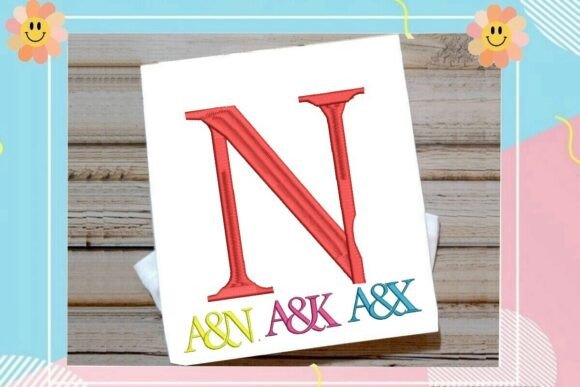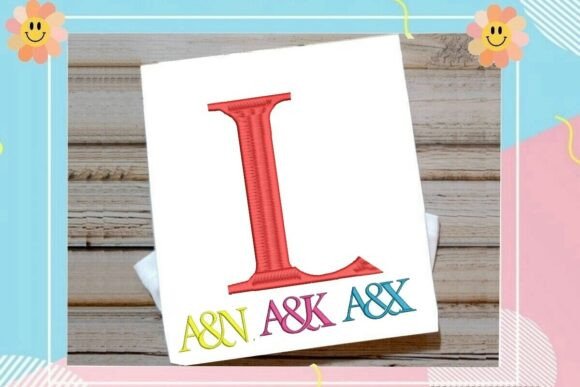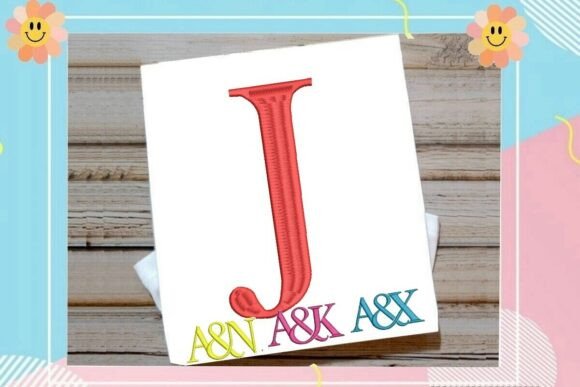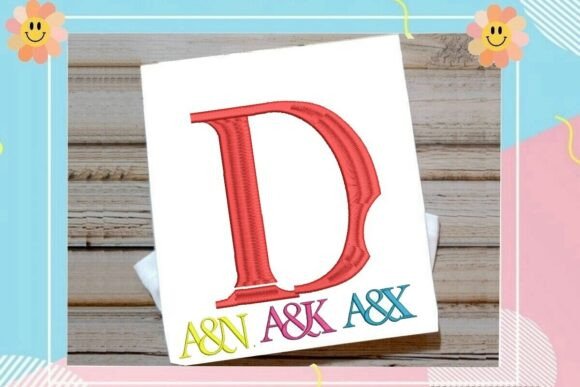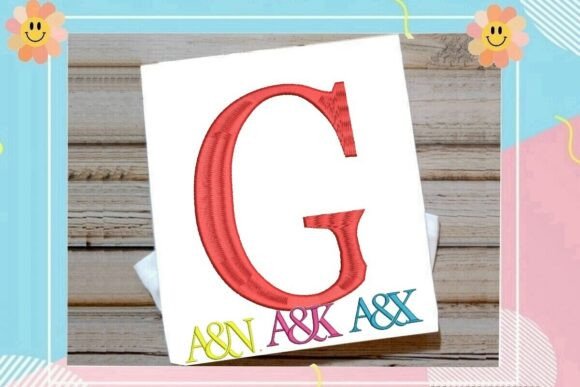
Letter G Split Monogram Logo
A Designer’s First Look: Grace, Structure, and Quiet Confidence
As an embroidery designer who’s stitched thousands of monograms for baby blankets, wedding keepsakes, and boutique kitchen linens, my first impression of the Letter G Split Monogram Logo was immediate: this isn’t just another initial—it’s a quiet statement. The bold serif structure feels both timeless and intentional, with clean weight distribution and subtle negative space that gives the “split” effect its elegance—not gimmicky, but thoughtfully balanced. It reads as classic rather than trendy, romantic without being fussy, and sophisticated without sacrificing warmth. For customers seeking meaning over mass production—new parents choosing a nursery heirloom or couples curating wedding monogrammed towels—the Letter G Split Monogram Logo delivers emotional resonance before a single stitch is made.
Where This Design Truly Shines
This machine embroidery design excels in contexts where personal significance meets refined presentation. On a soft cotton baby blanket? It anchors the piece with gentle authority—neither too delicate nor overwhelming. As a wedding gift, stitched onto linen pillow covers or embroidered handkerchiefs, it conveys legacy and intention. For Etsy sellers and small shop owners, it’s a versatile anchor for curated collections: pair it with neutral thread colors on ivory tea towels, layer it subtly on organic-cotton totes, or scale it down for delicate muslin bibs (with careful testing—more on that soon). Nursery decor gains instant cohesion when the Letter G Split Monogram Logo appears across matching wall art, mobile accents, and crib sheets. And for craft fair vendors, its clean lines photograph beautifully—even on simple printable mockups—helping buyers envision the finished product before placing an order.
Smart Pairings for Real-World Use
- Baby embroidery: Ideal for heirloom blankets, swaddle sets, and milestone onesies—when stabilized and tested on knit fabrics.
- Wedding Monogram applications: Elevates napkins, robe sets, and guest book covers with quiet luxury.
- Personalized towel & kitchen linens: Holds crisp definition on terry cloth when stitch density and stabilizer are matched carefully.
- Pillow covers & aprons: Works beautifully on medium-weight cotton and linen blends—adds handmade charm without visual clutter.
- Custom tote bags & nursery decor: Scales well from 3" to 5", maintaining legibility and balance across fabric types.
Where to Proceed With Care
The Letter G Split Monogram Logo is elegant—but elegance demands attention to detail. Avoid using it at under 2" tall on textured or napped fabrics like thick terry or fleece; fine serifs may blur or disappear. On stretchy baby clothes (think interlock knits), always test with cutaway stabilizer and reduced top tension—those clean lines rely on fabric stability. Curved surfaces—like mugs or curved pillow edges—require repositioning or digitizing adjustments not included in the base digital embroidery file. Dark fabrics demand high-contrast thread choices (ivory, ecru, or pale gold) to preserve the serif definition, while frequent-wash items (kitchen towels, baby bibs) benefit from rayon or premium polyester threads that hold sheen and detail through laundering. If your shop offers custom embroidery previews, include a side-by-side light/dark fabric mockup—this builds trust and sets accurate expectations.
Why It Strengthens Your Brand—and Your Buyer’s Connection
For handmade sellers, the Letter G Split Monogram Logo does more than personalize—it signals care. Its structure tells customers you value craftsmanship, not just convenience. That perception lifts perceived value: a $28 embroidered towel becomes a $42 keepsake. On Etsy listings, it encourages longer dwell time—shoppers linger to imagine it on *their* nursery shelf or wedding dresser. In product photography, its clarity translates effortlessly into crisp thumbnails and lifestyle shots. Most importantly, it deepens emotional connection: when a new parent sees “G” stitched beside a tiny elephant motif on a blanket, they don’t see a letter—they see identity, continuity, and love made tangible. That’s the power of a well-chosen personalized gift.
Practical Embroidery Notes Every Maker Should Run Through
- Always test on scrap fabric—especially if pairing with new thread brands or unfamiliar stabilizers.
- Confirm thread color contrast before stitching on dark or busy prints; what looks sharp on screen may mute on fabric.
- Review hoop size compatibility; ensure your frame accommodates the full design width without re-hooping mid-stitch.
- Check stitch density—a dense fill may overwhelm lightweight fabrics or cause puckering on knits.
- Match stabilizer to end use: cutaway for stretchy items, tear-away for stable wovens, and heavy-duty for thick towels.
- Compare light and dark fabric mockups in natural light—not just on-screen—to assess visibility and tone.
- Inspect small details post-stitch: verify serif tips, split spacing, and edge clarity before packaging.
- Confirm commercial licensing before selling finished products—this embroidery file must be cleared for resale in your shop’s terms.
Final Thought: A Monogram That Grows With You
The Letter G Split Monogram Logo isn’t just a design—it’s a flexible foundation. Whether you’re launching a baby product line, expanding your wedding gift offerings, or refreshing your Etsy embroidery collection, it adapts without losing character. It invites collaboration (pair it with florals, geometric borders, or minimalist script), supports storytelling (a “G” for Grace, Gabriel, Georgia, or generations), and rewards thoughtful execution. As a working designer, I’ve seen monograms make or break a customer’s emotional buy-in. This one earns trust—not with flash, but with quiet, confident craftsmanship. Stitch it right, and it won’t just decorate a product. It’ll mark a moment.