Fall Leaves Wreath: A Thoughtful Embroidery Design for Meaningful Gifting
First Impressions: Warm, Elegant, and Deeply Seasonal
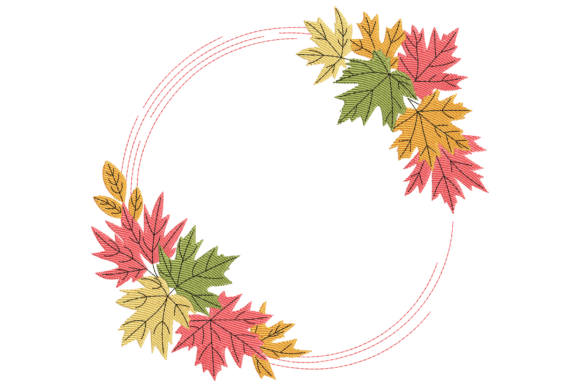
When I opened the Fall Leaves Wreath embroidery file, I felt that familiar quiet excitement—the kind that comes when a design doesn’t just look pretty on screen, but *feels* ready to live on real fabric. It’s not overly fussy or cartoonish; instead, it strikes a graceful balance between botanical accuracy and artistic flow. The maple and oak leaves are distinct in shape and layered with subtle variation—some curled at the edges, others slightly overlapping—giving dimension without crowding. The open circular frame invites personalization without demanding it, making Fall Leaves Wreath equally at home on a baby’s muslin blanket as it is on a linen wedding pillow cover. Its mood is warm and grounded—less “festive pumpkin spice,” more “quiet front porch at golden hour.” That’s what makes it timeless within the Autumn category—not just seasonal, but soulfully so.
Where This Design Truly Shines
Fall Leaves Wreath excels where emotional resonance meets practical versatility. For baby embroidery, it adds gentle sophistication to onesies, burp cloths, or heirloom-style receiving blankets—especially when paired with a delicate monogram or baby’s initials nestled inside the wreath. As a wedding gift, it transforms kitchen towels, napkin sets, or guestbook covers into keepsakes that honor the season *and* the couple’s story. I’ve already sketched mockups for a small shop owner using it on linen pillow covers for fall bridal showers—and the warmth reads beautifully in natural light.
It’s also ideal for custom embroidery on aprons (think bakers or coffee roasters launching autumn menus), cotton tote bags for farmers’ markets, and even nursery wall hangings stitched onto stretched canvas. Because the design breathes—thanks to its open center and balanced negative space—it never overwhelms smaller items like tea towels or sachets. Etsy sellers will find it especially strong for curated autumn collections: pair it with neutral thread palettes (oatmeal, rust, deep olive) and photograph it on textured wood or dried wheat bundles for scroll-stopping appeal.
Smart Placement Matters: Know When (and Where) to Stitch
Like any thoughtful machine embroidery design, Fall Leaves Wreath rewards intentionality. Its leaf clusters have lovely detail—but avoid shrinking it below 4 inches in diameter if you’re stitching on plush fabrics like terry cloth towels. On thick or highly textured fabric, those delicate leaf tips can blur or “swim” without proper stabilizer support. Likewise, steer clear of stretchy baby knits unless you’re using cut-away stabilizer *and* testing stitch density first—those curves respond poorly to tension shifts.
The open frame is generous, but don’t crowd it. If adding a family name, keep lettering clean and medium-weight (avoid ultra-thin fonts or condensed all-caps). And while Fall Leaves Wreath looks stunning on dark fabric, always run a printable mockup first: rich burgundy thread on charcoal linen reads elegantly, but pale gold on black may vanish unless you increase stitch density slightly or adjust underlay.
What Works Well Across Product Types
- Embroidered towel: Holds up beautifully on flour-sack and waffle-weave—just use tear-away + light cut-away combo stabilizer
- Pillow cover: Looks luxurious on linen-cotton blends; the wreath’s symmetry centers effortlessly on square or lumbar shapes
- Blanket embroidery: Best placed near a corner or edge—not dead-center—so the open frame feels intentional, not empty
- Nursery decor: Paired with soft sage or clay-toned thread, it whispers “calm autumn” rather than shouting “seasonal sale”
- Custom tote bag: Stitches cleanly on medium-weight canvas; add a small leaf accent near the strap for continuity
Why Customers Trust What They Can Feel
In handmade gifting, perceived value isn’t just about thread count—it’s about *intention*. Fall Leaves Wreath signals care: the careful leaf placement, the balanced asymmetry, the respectful spacing around the monogram zone. That translates directly to buyer confidence. When a customer sees this design on your Etsy listing or local craft fair table, they don’t just see “autumn embroidery”—they sense craftsmanship, seasonality with substance, and a product made *for* meaning, not mass.
Photographing finished pieces becomes easier too. The design’s natural rhythm guides the eye, and its organic shapes play well with rustic, airy, or minimalist backdrops. Plus, because it’s inherently customizable, customers engage earlier in the process—asking about thread colors, font options, or placement ideas—which builds trust before the first stitch is even made.
Practical Notes Every Embroiderer Should Run Before Production
Before stitching your first customer order—or listing Fall Leaves Wreath as part of a digital embroidery bundle—take these five minutes seriously:
- Test on scrap fabric that matches your intended product (e.g., terry cloth for towels, knit for baby items)
- Check thread color contrast across both light and dark fabric swatches—don’t assume rust reads the same on ivory vs. navy
- Confirm hoop size compatibility; if your machine uses smaller hoops, verify the design fits or plan for re-hooping
- Review stitch density—if it feels heavy for lightweight fabric, consider reducing fill density by 5–10% in your editing software
- Use appropriate stabilizer: medium-weight cut-away for knits, tear-away + light cut-away for towels, and fusible + tear-away for linens
And one non-negotiable: always confirm commercial licensing terms before selling finished products or bundling the digital embroidery file. Not all embroidery files permit resale of stitched goods—or redistribution—even if labeled “for personal use.” When in doubt, reach out to the designer or check the product page carefully. Your reputation as a trustworthy small shop product maker depends on it.
A Design That Grows With Your Business
Fall Leaves Wreath isn’t just another personalized gift option—it’s a quietly versatile anchor piece. It works for holiday markets and year-round nurseries alike. It supports storytelling (a baby’s first autumn, a couple’s harvest-season wedding, a grandmother’s hand-stitched kitchen legacy) without needing explanation. For handmade product creators, that’s rare. It asks little of the maker—yet delivers much to the recipient. Whether you're an Etsy seller, a boutique gift shop owner, or a custom embroidery studio, this design earns its place in your seasonal rotation—not because it’s trendy, but because it’s true.